Lao Food Guide: 15 Must-Try Dishes in Laos (2025)
· Terra Lao Adventure
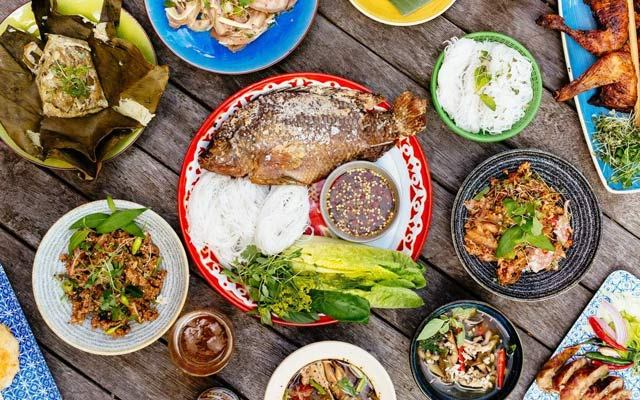
Complete guide to Lao cuisine. Must-try dishes from larb to sticky rice, where to eat in Vientiane and Luang Prabang, food safety tips. Authentic Laos food.
Introduction
Lao cuisine is one of Southeast Asia's best-kept culinary secrets. While Thai and Vietnamese food have gained international fame, Laos has quietly perfected a unique food culture that emphasizes fresh herbs, bold flavors, and communal eating. If you're planning a trip to Laos, get ready for an unforgettable food adventure that will introduce you to flavors you've never experienced before.
What makes Lao food special? It's the perfect balance of sour, spicy, salty, and bitter (with minimal sweetness), the generous use of fresh herbs, and the central role of sticky rice in every meal. Laotians consume more sticky rice per capita than any other country in the world, eating an average of 171 kilograms annually. This isn't just food; it's cultural identity.
By the end of this guide, you'll know exactly what to order, where to find the best local spots, how to navigate spice levels, and which dishes you absolutely cannot miss. Whether you're a cautious eater or a culinary adventurer, Lao cuisine has something incredible waiting for you.
Understanding Lao Cuisine
Key Characteristics
Lao cuisine is defined by several distinctive characteristics that set it apart from its neighbors. Fresh herbs and vegetables dominate every dish, from mint and cilantro to galangal and lemongrass. Sticky rice serves as the foundation of every meal, eaten by hand and used to scoop up other dishes.
The secret ingredient that makes Lao food uniquely Lao is padaek, a thick fermented fish sauce that adds incredible depth and umami. Unlike the thin fish sauce common in Thai and Vietnamese cooking, padaek is chunky and pungent, giving Lao dishes their distinctive character.
Lao flavors focus on a balance of sour, spicy, salty, and bitter, with sweetness playing a minimal role. Cooking methods remain simple: grilling, steaming, and serving raw are preferred over complex preparations. This simplicity allows the natural flavors of fresh ingredients to shine.
Cultural Significance
Food in Laos is fundamentally social. Meals are shared family-style from communal plates, with sticky rice eaten by hand directly from woven bamboo baskets. The word 'laap' (the name of the national dish) literally means 'luck' in Lao, symbolizing good fortune and prosperity.
To be Lao is to love sticky rice. This isn't an exaggeration; it's a core part of national identity. The act of sharing sticky rice from the same basket creates bonds and demonstrates the communal nature of Lao culture.
The Foundation: Sticky Rice
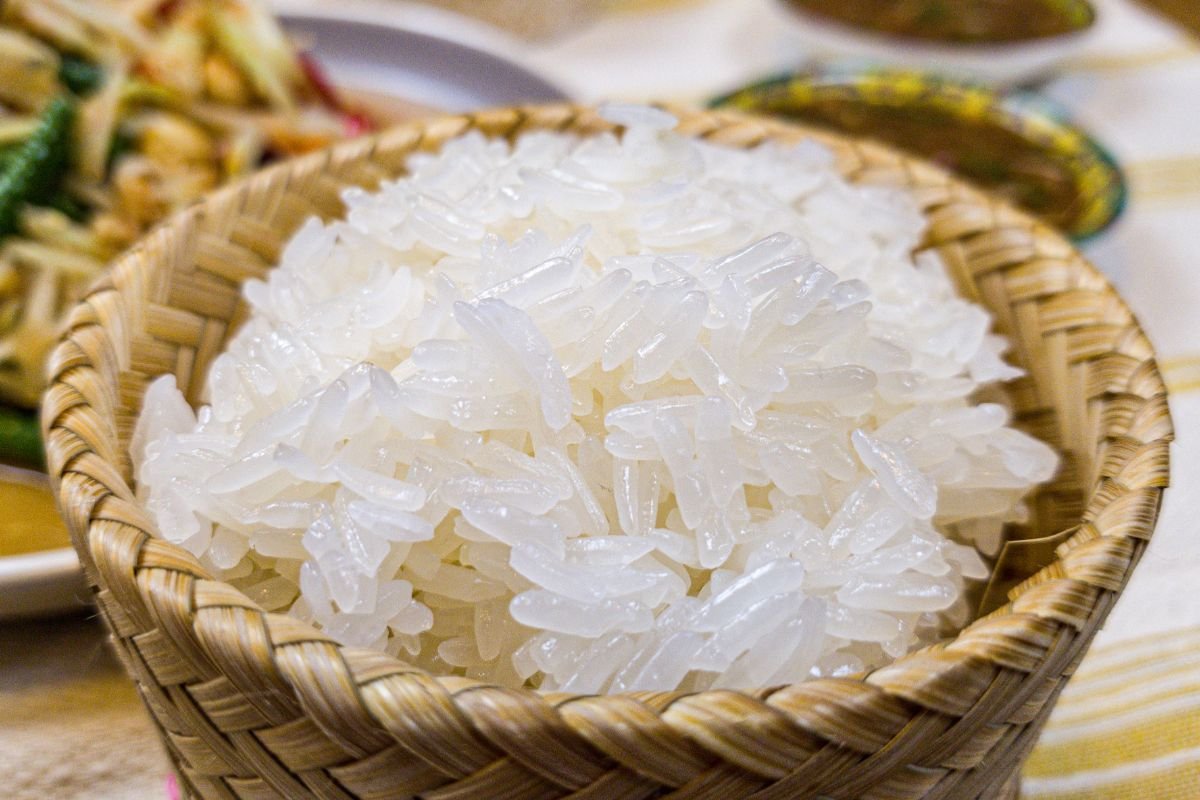
Before we dive into specific dishes, you need to understand sticky rice (khao niew). This isn't a side dish in Laos; it's the main event. Every meal revolves around it.
Why It Matters
Laos holds the world record for sticky rice consumption at 171 kilograms per person annually. It's eaten at breakfast, lunch, and dinner. It's served in beautifully woven bamboo baskets called tip khao, steamed (never boiled), and eaten exclusively by hand.
Eating Etiquette
- Take small portions from the basket
- Never touch rice that others will eat
- Roll it into small balls with one hand
- Use the rice ball to scoop up other dishes
- Purple or black sticky rice is reserved for desserts
Sticky rice is included with almost every meal at restaurants and street stalls, typically costing 5,000 to 10,000 kip. Don't skip it. Eating Lao food without sticky rice is like visiting Paris and avoiding bread.
The National Dish: Larb (Laap)
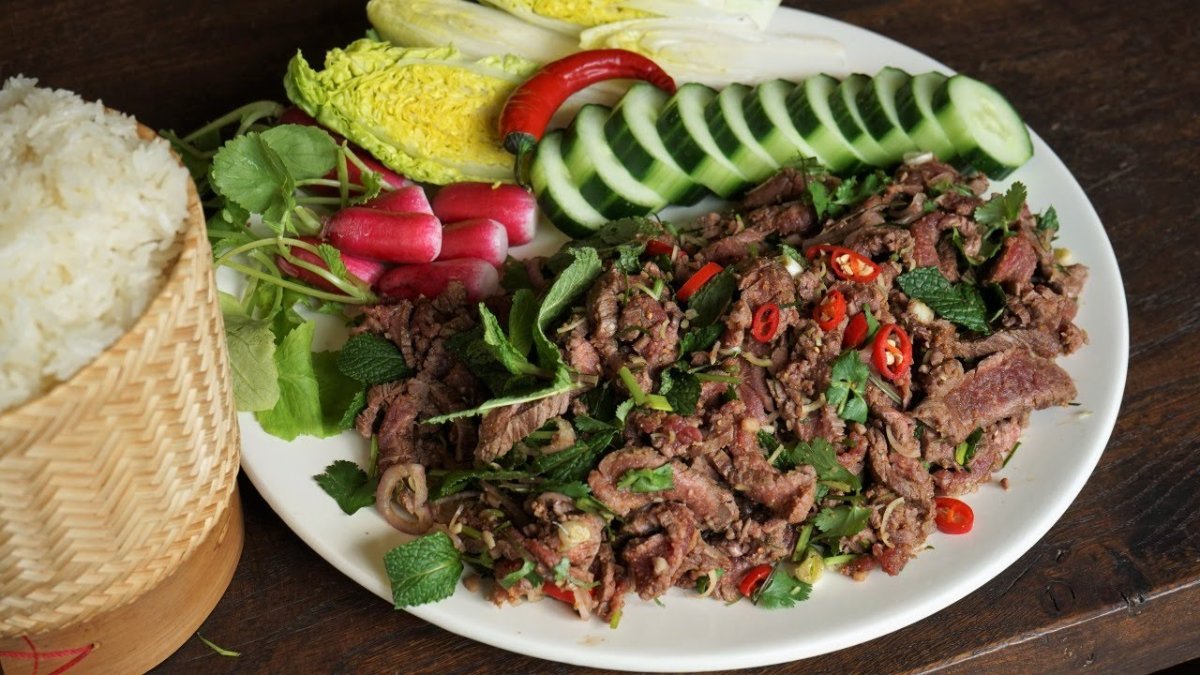
Larb is the soul of Lao cuisine and the national dish. This minced meat salad appears at celebrations, family gatherings, and everyday meals. The name 'laap' means luck, and eating it is believed to bring good fortune.
Key Ingredients
Larb features minced meat (typically pork, chicken, beef, duck, or fish) seasoned with lime juice, fish sauce, and the crucial ingredient: roasted ground rice powder. This toasted rice powder provides a nutty, earthy flavor and slightly thickens the dressing. Fresh herbs like mint, cilantro, and green onions add brightness, while shallots provide bite.
Types of Larb
- Larb Moo (pork): The most common variety
- Larb Gai (chicken): Milder and beginner-friendly
- Larb Neua (beef): Rich and hearty
- Larb Dib (raw): For adventurous eaters only
- Larb Suea (tiger larb with bile): Bitter and intensely authentic
Larb is served at room temperature or slightly warm, always accompanied by sticky rice and a side of fresh vegetables like cabbage, long beans, and herbs. Sometimes you'll get crispy pork rinds on the side.
Where to Try It
Pa Kham Tan in Vientiane serves the most authentic bile-seasoned larb in the city. You'll find larb at every local restaurant and street stall for 20,000 to 40,000 kip ($2-4). If you're sensitive to spice, ask for 'larb pet noi' (a little spicy).
15 Must-Try Lao Dishes
1. Tam Mak Hoong (Green Papaya Salad)
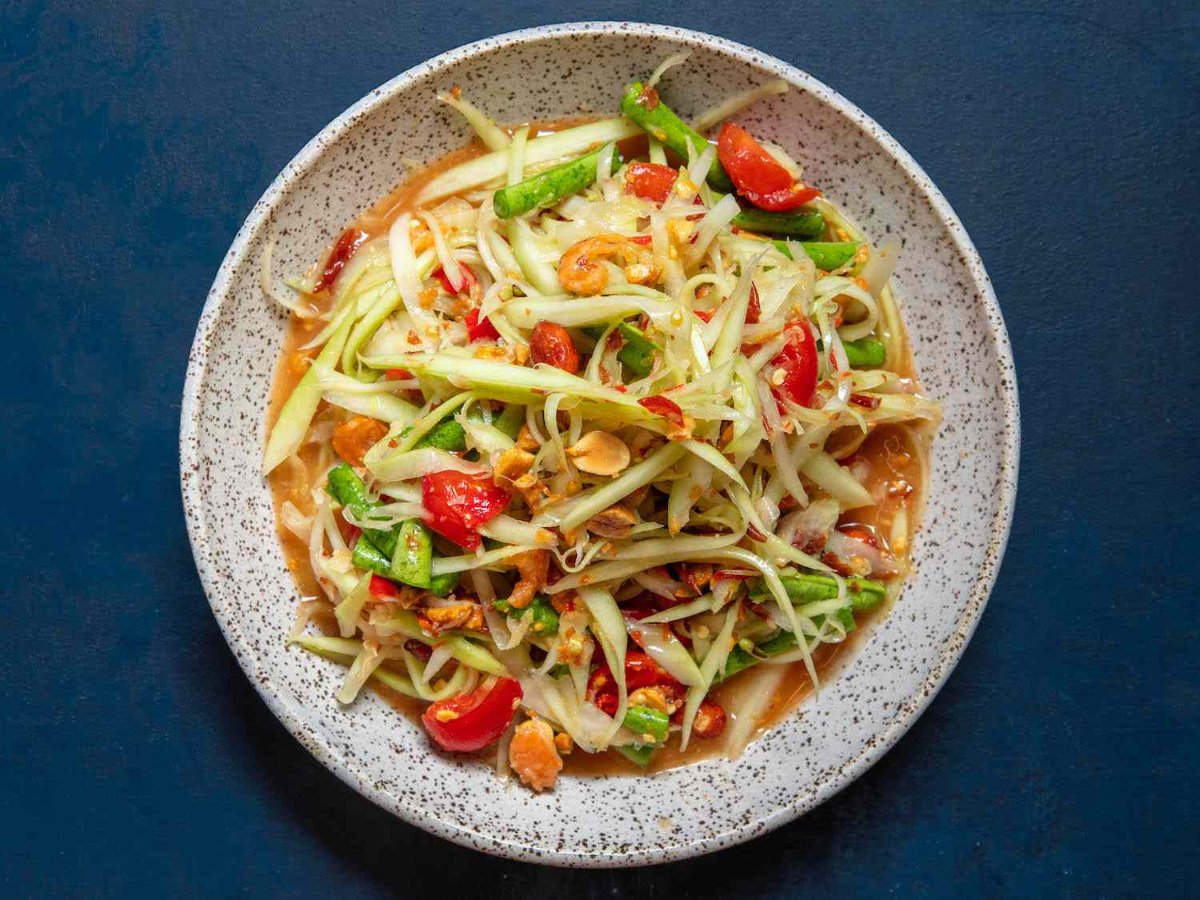
The Lao version of green papaya salad uses padaek instead of the thin fish sauce found in Thai som tam. This makes it richer, more pungent, and more complex. The salad often includes crab, shrimp, or chunks of fermented fish. Expect a powerful combination of spicy, sour, salty, and umami flavors. Found everywhere at street stalls and markets for 15,000 to 25,000 kip.
2. Or Lam (Luang Prabang Stew)
This slow-cooked stew originates from northern Laos and showcases the cuisine of Luang Prabang. It combines vegetables, mushrooms, eggplant, lemongrass, and chili with meat (buffalo, chicken, or pork). The key ingredient is sakhaan vine, which adds a unique peppery, slightly numbing taste. Rich, complex, and deeply earthy, or lam costs 30,000 to 50,000 kip and is best tried at restaurants in Luang Prabang, especially Tamarind.
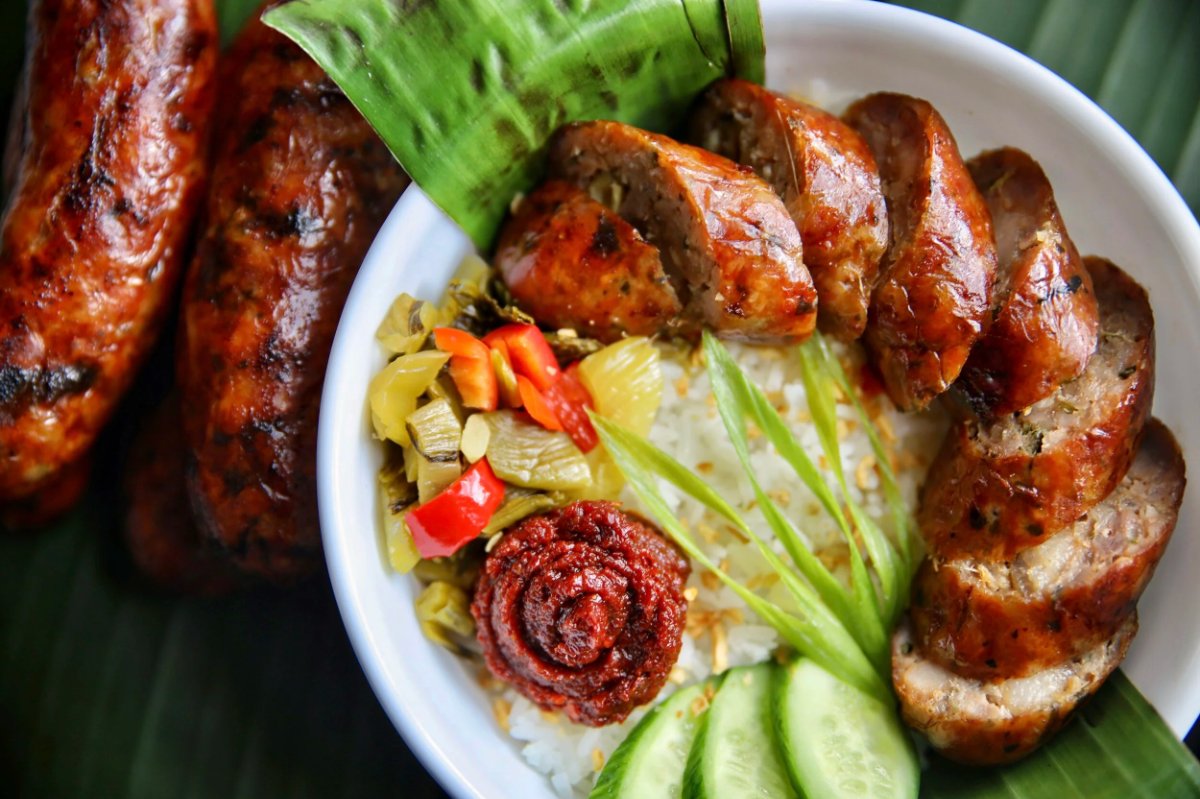
3. Sai Oua (Lao Sausage)
These grilled pork sausages are infused with lemongrass, kaffir lime leaves, galangal, and chili. The aroma alone will draw you to night market stalls. Fragrant, herbal, and slightly spicy, sai oua is eaten with sticky rice and fresh vegetables. You'll pay 10,000 to 20,000 kip per piece at night markets and street stalls throughout Laos.
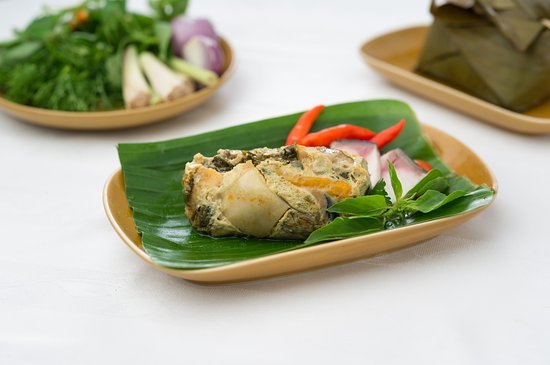
4. Mok Pa (Steamed Fish in Banana Leaves)
Fish fillet is combined with herbs and spices, then wrapped in banana leaves and steamed until tender. This cooking method keeps the fish incredibly moist and infuses it with aromatic herb flavors. Delicate and fragrant, mok pa showcases Lao herb mastery. Find it at local restaurants and riverside eateries for 25,000 to 40,000 kip.
5. Khao Jee (Lao Baguette Sandwich)
A delicious legacy of French colonial rule, khao jee features crispy baguettes filled with pork pate, pickled vegetables, chili paste, and fresh herbs. Some vendors add fried eggs or sausage. This makes a perfect breakfast or snack for 10,000 to 15,000 kip. Look for street vendors and morning market stalls.
6. Jeow (Lao Chili Dips)
Jeow is a family of essential condiments eaten with sticky rice and vegetables. Jeow Bong is sweet-spicy with dried chilies and buffalo skin. Jeow Som is tangy and tomato-based. Jeow Mak Len features eggplant, while Jeow Mak Kheua combines tomato and chili. You'll find these at every restaurant and market for 5,000 to 10,000 kip.
7. Khao Piak Sen (Lao Chicken Noodle Soup)
This comfort food features thick, chewy rice noodles in rich chicken broth with fresh herbs, lime, and chili. Similar to Vietnamese pho but with noticeably thicker noodles, khao piak sen is the perfect breakfast. Find it at morning markets and noodle shops for 15,000 to 25,000 kip.
8. Ping (Grilled Everything)
'Ping' means grilled, and you'll find many variations: Muu Ping (grilled pork skewers), Gai Ping (grilled chicken), Sin Gua Ping (grilled beef), and Pa Ping (grilled fish, with Mekong fish being the best). All are marinated with garlic, lemongrass, and fish sauce. Skewers cost 5,000 to 10,000 kip, while whole fish runs 30,000 to 50,000 kip at night markets and street stalls.
9. Kaipen (Crispy Riverweed)
This Luang Prabang specialty is made from dried Mekong River algae fried until crispy and seasoned with sesame seeds and garlic. The texture is unique and the flavor slightly fishy. You'll pay 10,000 to 15,000 kip at Luang Prabang markets. It's unlike anything you've tried before.
10. Naem Khao (Crispy Rice Salad)
Crispy fried rice balls are mixed with sour fermented pork (naem), peanuts, herbs, lime, and chili. The texture contrast is addictive: crunchy rice against soft pork with the brightness of herbs. This costs 20,000 to 30,000 kip at restaurants and food stalls.
11. Soop Pak (Vegetable Soup)
A clear broth filled with pumpkin, squash, morning glory, and other greens. Light, healthy, and refreshing, this soup balances heavier meat dishes perfectly. Find it at any local restaurant for 15,000 to 20,000 kip.
12. Khao Poon (Spicy Lao Laksa)
A red curry coconut broth with thin rice vermicelli, chicken or fish, and an abundance of fresh vegetables, herbs, and lime. Spicy, creamy, and aromatic, this dish costs 25,000 to 35,000 kip at restaurants and markets.
13. Laap Dip (Raw Meat Salad)
For truly adventurous eaters, laap dip features raw minced beef or fish with the same seasonings as cooked laap but with extra fresh herbs. The texture is silky and the flavor intensely fresh. Ensure the restaurant is clean before ordering. Costs 25,000 to 35,000 kip at local spots.
14. Seen Savanh (Lao Beef Jerky)
Marinated, sun-dried beef that's fried until crispy. Sweet, salty, and chewy, this makes an excellent beer snack. Find it at markets and beer gardens for 20,000 to 30,000 kip.
15. Khao Niao Mamuang (Sticky Rice with Mango)
The perfect dessert: sweet sticky rice with ripe mango slices and coconut cream. Simple, perfectly balanced, and beloved throughout Southeast Asia. Costs 15,000 to 25,000 kip at dessert stalls and markets.
🍜 Where to Eat: Vientiane
Street Food Spots
- Vientiane Night Market: Riverside stalls serving banh mi, skewers, and snacks
- Khua Din Market (morning): Sai oua sausages, grilled pork satay, and jeow dips
- That Luang Market: Local breakfast and bud wat rice rolls
Best Restaurants
- Pa Kham Tan: Best larb in Vientiane, bile-seasoned and authentic
- Kualao Restaurant: Traditional set menus with cultural performances in a colonial mansion
- Lao Kitchen: Tourist-friendly with English menu, great introduction to Lao food
- Makphet Restaurant: Social enterprise training disadvantaged youth, excellent food
Price Range
- Street food: $1-3 per dish
- Local restaurants: $3-6 per dish
- Upscale restaurants: $8-15 per dish
🍜 Where to Eat: Luang Prabang
Street Food Spots
- Night Market – The famous food alley offers grilled Mekong fish, curries, vegetarian buffets, and local desserts. Great for tasting everything in one stroll.
- Morning Market – Early risers can enjoy freshly made khao jee sandwiches, noodle soups, and fresh fruit juices among locals starting their day.
Best Restaurants
- Tamarind – Run by Lao national Joy and his Australian partner Caroline, this riverside restaurant and cooking school offers authentic Lao specialties and hands-on cooking classes.
- Julie’s Village Noodles – A beloved local spot next to Wat Xieng Thong temple, known for its rich noodle broths and friendly atmosphere.
- Dyen Sabai – Riverside restaurant famous for Laos-style BBQ and hotpot, with vegetarian options and a romantic bamboo bridge crossing to reach it.
- Jungala Lounge Bar (Terra Lao Pick) – For those who love food with atmosphere, Jungala offers artisan cocktails, small plates, and a lush riverside setting blending nature, music, and Lao charm. Perfect for a sunset drink before exploring the night market.
Don't miss Luang Prabang specialties: or lam stew, kaipen crispy riverweed, and grilled Mekong fish. Prices range from $1-3 for street food, $4-7 at local restaurants, $8-12 at tourist restaurants, and $4-6 for whole grilled fish.
🍜 Where to Eat in Vang Vieng:
Lime Lounge for it's Lao Laap Meatball
After a day of adventure, try the Lao Laap Meat Balls at Lime Lounge. Inspired by the traditional Lao laap, these flavorful meatballs are packed with herbs, lime, and spices, perfect for sharing with friends. Pair them with a craft cocktail and enjoy the vibes that make Lime Lounge one of Vang Vieng’s must-visit spots.
Meet Anna, the multilingual manager (French, English, Lao, Thai) who crafts each cocktail to perfection and makes every guest feel at home. Open until 11PM with sometime live music from 8PM and happy hour 5-7PM daily. limelounge.la.
Happy Mango Thai RestaurantsFor Thai cuisine done well, head to Happy Mango Thai Restaurants in the town centre of Vang Vieng (Middle Street, Town Center). They serve authentic Thai dishes. Try their Pad Thai, Tom Yum, and mango sticky rice. The menu clearly labels vegan and gluten-free options. It’s a cosy place with outdoor seating, free wifi, and a friendly atmosphere. Great for a relaxed lunch or dinner after an active day.
Bon AppétitCraving French comfort food in Vang Vieng? Bon Appétit on Kangmuong Street offers classic French dishes prepared by a charming couple of restaurateurs: think coq au vin, cassoulet, spätzle, choucroute. It is a perfect choice for a quieter evening, maybe as a treat after the trails.
La LicorneLa Licorne is a café, ice cream, and snack spot loved for its relaxed atmosphere, homemade ice cream, and quality coffee. Open from 7:30 AM to around 4:30 PM. It’s a great choice for a quiet brunch, a sweet break after a day of adventure, or a calm moment away from the hustle and bustle.
Drinks and Beverages
Beerlao is the national beer, a light crisp lager that pairs perfectly with spicy food. Available everywhere for 10,000 to 20,000 kip.
Lao-Lao is rice whiskey, a strong clear spirit (40-50% alcohol) that's a local favorite. Often served with ice, but be cautious as it packs a punch.
Fresh fruit shakes made with mango, papaya, watermelon, or pineapple with ice and condensed milk are available everywhere for 10,000 to 15,000 kip.
Lao coffee is excellent, made with strong, dark roasted Bolaven Plateau beans and served with condensed milk (kafe nom) for 10,000 to 15,000 kip.
Food Safety and Practical Tips
Food Safety
- Eat where locals eat (high turnover means fresh food)
- Street stalls with visible cooking are generally safer
- Avoid raw meat or fish unless the restaurant is very clean
- Peel fruits yourself when possible
- Drink only bottled or filtered water
- Ice is generally safe in cities (made from filtered water)
Managing Spice Levels
Lao food can be extremely spicy. Learn these phrases: 'baw pet' (not spicy), 'pet noi' (a little spicy), or 'pet lai' (very spicy). Chilies are often served on the side, allowing you to control the heat level.
Dietary Restrictions
- Vegetarian: Say 'gin jay' (Buddhist vegetarian, no animal products)
- Vegan: Challenging as fish sauce is in everything, but possible with communication
- Gluten-free: Sticky rice and rice noodles are safe; watch for soy sauce
Useful Lao Food Phrases
- Sabaidee: Hello
- Khop jai: Thank you
- Sep lai: Very delicious
- Tao dai: How much?
- Baw pet: Not spicy
- Pet noi: A little spicy
- Gin jay: Vegetarian
Tipping is not expected at street stalls, but 10% is appreciated at restaurants. The best eating times are breakfast (7-9am), lunch (11am-2pm), dinner (6-9pm), and night markets (5pm-10pm).
Experience Laos Through Its Food
Food is the gateway to understanding Lao culture. Every dish tells a story of history, geography, and tradition. Don't be afraid to try new things. Start with familiar dishes like larb and grilled meats, then work your way up to more adventurous options like laap dip or tam mak hoong with padaek.
The best experiences come from eating where locals eat. Markets offer the most authentic atmosphere, where you can watch food being prepared and interact with vendors. Food tours can provide excellent introductions to Lao cuisine with expert guidance.
Take Action
- Save this list on your phone for easy reference
- Try at least 5 dishes from this guide
- Never skip the sticky rice
- Ask locals for their favorite spots
- Share meals family-style to try more variety
How We Can Help
Our guides know the best local spots that tourists never find. We can arrange food-focused tours, cooking classes where you'll learn to make authentic Lao dishes, and custom itineraries that accommodate dietary restrictions. Ask us for restaurant recommendations specific to your tastes and location.
Ready to taste your way through Laos? Explore all our services including food-focused tours, cultural experiences, and local guides who know where to find the best eats. Contact us today and let us help you discover the incredible flavors of Laos. Your culinary adventure awaits.