Pi Mai 2026: The Complete Guide to Lao New Year in Vang Vieng
· Terra Lao Adventure
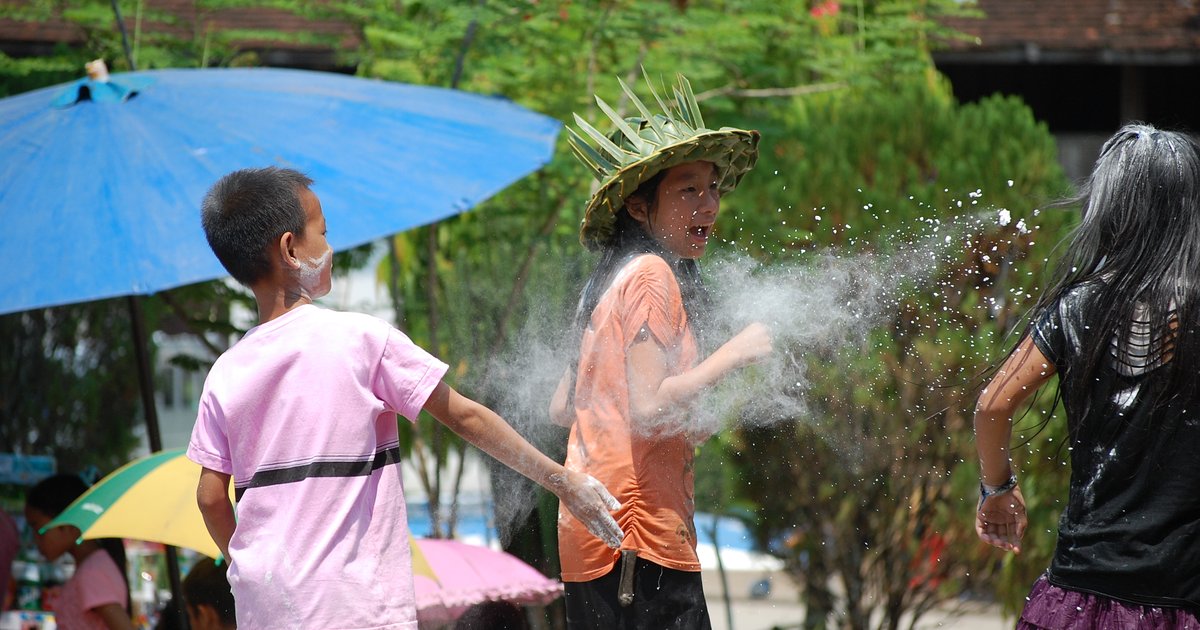
Complete guide to Pi Mai 2026 (April 13–16) in Vang Vieng, Laos: water fights, temple rituals, Baci ceremonies, packing tips & adventure activities.
It's 35°C, a stranger just emptied an entire bucket of icy water over your head, the crowd erupts in laughter, monks chant softly in the temple courtyard fifty metres away, and the air smells faintly of jasmine and Beerlao. Welcome to Pi Mai — Lao New Year — in Vang Vieng. For four electrifying days every April, this riverside adventure town on the Nam Song River transforms from a base camp for kayakers and climbers into the most exuberant street party in Southeast Asia. If you’re planning a Laos trip for spring 2026, building your itinerary around Pi Mai isn’t just a good idea — it’s a once-in-a-decade travel memory waiting to happen.
What Is Pi Mai? The Lao New Year Explained
Boun Pi Mai is the most important festival on the Lao calendar. The name means simply “New Year Festival,” and it aligns with the solar-Buddhist calendar — celebrated each year when the sun enters Aries, typically around April 13–16. Unlike the Gregorian New Year at midnight on January 1st, Pi Mai unfolds across three ceremonially distinct days: the last day of the old year, a transitional “dayless day,” and the official first day of the new year.
It sits in the same cultural family as Songkran in Thailand and Khmer New Year in Cambodia — all rooted in Theravada Buddhist traditions and the agricultural calendar of mainland Southeast Asia. But Pi Mai has its own distinct mythology, rituals, and flavour. The water splashing isn’t just fun — it symbolises the cleansing of bad luck, illness, and sorrow from the old year, and the welcoming of purity and abundance in the new one.
Pi Mai 2026: Dates, Schedule & Key Facts
In 2026, Pi Mai runs Monday April 13 to Thursday April 16. These dates are fixed by the Buddhist solar calendar and consistent year after year:
- April 13 — Sangkhan Luang (last day of the old year): home cleaning, temple offerings, sand stupas built in temple courtyards
- April 14 — Sangkhan Nao (the “dayless” transition day): Baci ceremonies, family gatherings, ceremonial bathing of Buddha statues
- April 15 — Continued celebrations, water fights intensify, traditional music and Lamvong dancing at temples
- April 16 — Sangkhan Kheun Pi Mai (New Year begins): peak water fights, Nang Sangkhan procession, bird and fish release ceremonies
Most businesses across Laos close for at least three days. In tourist hubs like Vang Vieng, guesthouses, restaurants, and bars stay open but may run reduced services. Book your accommodation at least 6–8 weeks in advance — this is the most popular travel window in Laos.
The Mythology Behind the Water
Every great festival has a creation story, and Pi Mai’s is wonderfully strange. According to Lao tradition, a sky god named Kabinlaphom posed three impossible riddles to a clever farmer called Thammabane, who could understand the language of birds. When Thammabane overheard two eagles discussing the answers, Kabinlaphom — bound by his promise — was forced to behead himself.
Before his death, Kabinlaphom instructed his seven daughters (each representing a day of the week) to carry his head in annual procession. Because the head was sacred — capable of causing fire if placed on the ground or floods if thrown into the sea — the daughters perfumed it with scented water and flowers. Each year, one daughter arrives as Nang Sangkhan (the New Year angel), riding a sacred animal and heralding the start of celebrations.
This mythology is why scented, flower-infused water is used to bathe Buddha statues, and why the water fights are deeply symbolic — a collective act of renewal, community, and spiritual cleansing rather than random chaos.
The Three Days of Pi Mai — Day by Day
Day 1 — April 13: Sangkhan Luang (Last Day of the Old Year)
The first day is the quiet, spiritual opening act. Lao families deep-clean their homes, prepare flower garlands and scented water, and bring offerings to the local wat (temple). Sand stupas are constructed in temple courtyards, symbolising Mount Sumeru and the accumulation of merit. Buddha statues are ceremonially bathed with jasmine-scented water mixed with flowers.
In Vang Vieng, the main temples for these ceremonies are Wat Kang, Wat That, and Wat Si Vilay — all within easy walking distance of the town centre. Arrive before 8am to observe the monks’ alms round and the flower-laying rituals. Dress respectfully: covered shoulders and knees, shoes removed at the temple entrance.
By late afternoon on April 13, water fights begin warming up in the streets. Vendors set up tables of water guns, buckets, and hoses along the main road. Consider this your warm-up for the days ahead.
Day 2 — April 14–15: Sangkhan Nao (The Transition Days)
These middle days carry the most spiritual weight for local families. The Baci ceremony takes centre stage — one of the most profound Lao traditions. Families sit in a circle around a pha khuan (an elaborate floral offering arrangement) while an elder recites blessings in Pali. White cotton threads are tied around each other’s wrists, calling the person’s 32 life spirits back into the body for strength and good fortune. If a local family invites you to join a Baci, say yes immediately.
April 14 and 15 are also when the full-scale water battles take over every street in Vang Vieng. The main road parallel to the Nam Song River becomes a continuous gauntlet of buckets, hoses, water guns, and pickup trucks with barrels of water. No one escapes dry. No one wants to.
- Locals set up street-side stations with 44-gallon drums of water — freely available to all
- Water guns available from any shop (20,000–50,000 LAK / roughly $1–2.50 USD)
- Entire families cruise on pickup trucks with water barrels, targeting everyone in sight
- Riverside bars set up music stages, turning the strip into a continuous festival zone
- Street food stalls everywhere: khao piak sen, ping gai, grilled corn, fresh fruit, and sticky rice
Day 3 — April 16: Sangkhan Kheun Pi Mai (New Year Begins)
This is the official first day of the Lao New Year and the most ceremonially significant. The Nang Sangkhan procession takes place — the year’s “New Year angel” is paraded through the streets in traditional dress. In Vang Vieng it’s a warm, community affair, accessible to respectful visitors.
Bird and fish release ceremonies take place at the main temples — small caged birds and fish bowls are brought to the wat and set free, earning merit for the giver. The Lamvong — the traditional Lao circle dance — fills temple courtyards in the evening. It’s graceful, hypnotic, and easy to join even as a first-timer.
By midday on April 16, water fights reach their absolute peak before gradually winding down as the afternoon turns spiritual. By evening, Vang Vieng takes a collective breath and celebrates with music, dancing, and the warm glow of shared renewal.
Pi Mai in Vang Vieng — What Makes It Special
The Water Fights: Embrace Every Drop
Vang Vieng’s Pi Mai water fights are legendary among Southeast Asia travellers. The entire main street from the roundabout near the market down to the riverside bars becomes one long water battle zone for three straight days. Unlike Luang Prabang — which leans more traditional and ceremonial — Vang Vieng brings full party energy to every square metre of the festival.
- Everything gets soaked — your bag, your phone, your passport if you’re not careful. A waterproof case is essential.
- Pickup truck battles are the highlight: locals cruise the streets in truck beds filled with water drums and target everyone with buckets and hoses.
- Monks are off-limits — never splash monks, elderly people, or anyone in ritual dress. Read the room and be respectful.
- The water is cold — gloriously, mercifully cold — because temperatures hit 36–38°C during Pi Mai in Vang Vieng.
- Water fights run until about 5pm each day, after which cold Beerlao, great street food, and evening music take over.
The Baci Ceremony: Deeply Personal
If you stay with a local guesthouse or have made Lao friends, you may be invited to a Baci (also spelled Basi). This ceremony involves sitting in a circle while an elder offers blessings, and then everyone ties white cotton strings around each other’s wrists. Keep the threads on for at least three days for good luck — many travellers leave Laos still wearing them weeks later as a reminder of the warmth they encountered.
Nightlife and Music
Vang Vieng’s riverside bars don’t sleep during Pi Mai. Expect live music, DJs, and extended hours along the Ban Vieng Keo riverside strip. In 2026, the Beerlao HYDRO BEATS music festival is expected to return with free entry for visitors 18+ at multiple venues around town — watch local noticeboards in the weeks before April 13.
Vang Vieng vs Luang Prabang: Which Is Better for Pi Mai?
This is the question every first-time Laos traveller asks. Here’s the honest breakdown:
- Choose Luang Prabang if: you want the most photogenic, cultural, and ceremonially rich Pi Mai — an elaborate Nang Sangkhan procession, more public temple rituals, and a UNESCO World Heritage backdrop. Expect larger crowds and higher prices.
- Choose Vang Vieng if: you want water fights at maximum intensity, a younger international crowd, outstanding adventure activities on the side, and a more free-spirited, high-energy atmosphere.
- Best of both: If you have 7–10 days, do both. The Laos-China high-speed rail now connects them in under 2 hours — one of Southeast Asia’s great travel corridors.
For most adventure travellers, Vang Vieng wins — the combination of karst mountain scenery, outdoor activities, and the raw energy of Pi Mai here is genuinely hard to match anywhere in the region.
Practical Tips: How to Do Pi Mai Right
What to Wear
Dress for water. Light, quick-dry fabrics are essential. Many visitors buy a traditional Lao sinh (for women) or wrap-style salong (for men) from the Vang Vieng night market for temple visits, then change into athletic gear for the street battles. Pack a dry change of clothes at your guesthouse — it’s non-negotiable.
- Quick-dry shorts or athletic pants
- Light synthetic or linen shirt — you’ll wear it completely soaked
- Flip-flops or water sandals; never wear shoes you care about
- Hat or cap — the sun is brutal at 38°C in Vang Vieng during April
- Waterproof watch if you wear one
Protect Your Electronics
This is the #1 mistake tourists make. Your phone will be soaked without protection. Buy a waterproof pouch from any shop in Vang Vieng (widely available for under 40,000 LAK) before day one. Most guesthouses offer secure storage lockers — leave your laptop and passport there. Bring only what you’re willing to get wet.
Money, Shops & Food
Withdraw Lao Kip (LAK) before the festival — ATMs in Vang Vieng work but can run low during peak festival days. Most places also accept Thai Baht and USD as backup, but you’ll get better value paying in LAK. Budget 50,000–100,000 LAK ($2.50–$5 USD) per meal at street stalls — the food is excellent and abundant during Pi Mai.
Getting to Vang Vieng
- High-speed train from Vientiane: approximately 1 hour — the fastest and most comfortable option. Book via laostrainticket.com well in advance of Pi Mai week.
- High-speed train from Luang Prabang: under 2 hours — perfect for combining both festival cities in one trip.
- VIP Van from Vientiane: 2.5–3 hours, departs from central guesthouses. Good option if trains are sold out.
- Public bus: 3–4 hours from Northern Bus Terminal, Vientiane. Cheapest option but buy tickets in advance for Pi Mai week.
Respecting Local Customs
- Never splash monks, elderly people, babies, or anyone clearly not wanting to participate
- Remove shoes before entering any temple, even during the water fight chaos outside
- Cover shoulders and knees for temple visits — there are changing rooms at most wats if needed
- Accept water graciously — refusing someone’s water splash can be seen as rejecting a blessing they’re offering
- Ask before photographing people in ceremonial dress or during private rituals
The Perfect Pi Mai Itinerary for Vang Vieng
Pi Mai is 4 days. Vang Vieng deserves at least 7. Here’s how to build the perfect trip:
- April 11–12 (Pre-festival): Arrive and settle in. Do a dawn hot air balloon flight over the karst valleys, explore Tham Phu Kham cave and the Blue Lagoon.
- April 13 (Day 1): Morning temple ceremonies and sand stupa watching at Wat Kang. Afternoon: water fight warm-up on the main street.
- April 14–15 (Days 2–3): Full Pi Mai immersion — all-day water battles, Baci ceremony if invited by locals, riverside music and bars in the evenings.
- April 16 (Day 4): Morning Nang Sangkhan procession, afternoon bird and fish release ceremony at the main wat, evening Lamvong circle dancing.
- April 17 (Recovery day): Half-day kayak on the Nam Song through the karst gorges, optional tubing in the afternoon.
- April 18+: Day trip by motorbike through organic farm villages and viewpoints north of town, or take the high-speed train to Luang Prabang.
Combine Pi Mai with Adventure Activities
One of Vang Vieng’s great advantages over Luang Prabang during Pi Mai: you can build a full adventure itinerary around the festival. The days before and after the main celebration offer world-class outdoor experiences:
- Kayaking the Nam Song River: Half or full-day paddles through limestone karst scenery, stopping at caves and blue lagoons. A Vang Vieng highlight year-round.
- Hot Air Ballooning: Dawn flights over the valley — one of the most dramatic balloon landscapes in all of Asia. Book well in advance for Pi Mai week.
- Rock Climbing: Multiple developed crags within 30 minutes of town, suitable for beginners through experienced climbers.
- Caving: Tham Phu Kham (Blue Lagoon cave), Tham Hoi, and Tham Loup are all accessible on day trips and all spectacular.
- Motorbike day trips: Loop the valley on a scooter, visiting organic farms, remote villages, and viewpoints like Pha Ngern.
- Tubing: Float the Nam Song River with stops at riverside bars — the original activity that put Vang Vieng on the backpacker map.
Essential Lao Phrases for Pi Mai
A few words of Lao will earn you the warmest smiles you’ve ever received from strangers who are about to soak you completely:
- Sok Di Pi Mai! (ສຸກດີ ປີໃຫໍ່) — Happy New Year! The universal Pi Mai greeting — shout it at everyone
- Sabaidee! (ສະບາຍດີ) — Hello / All good!
- Khob chai lai lai! (ຂອບໃຈຫຼາຍູ) — Thank you very much!
- Kin khao leo bor? — Have you eaten yet? A common Lao greeting that always gets a warm laugh from locals
- Lao lao — the local rice whisky, often offered freely at Pi Mai celebrations — accept graciously, sip slowly
Shouting “Sok Di Pi Mai!” while being drenched by a bucket of water will instantly make you friends for life in Vang Vieng.
Plan Your Pi Mai 2026 Adventure with Terra Lao
Pi Mai is more than a festival — it’s a full-immersion experience in Lao culture, community, and the pure joy of being completely present. And Vang Vieng, with its dramatic karst landscape, the Nam Song River, and the perfect blend of local tradition and adventurer energy, is the finest place in Laos to live it.
At Terra Lao Adventure, we offer guided experiences that pair beautifully with Pi Mai week: multi-day kayak expeditions through the karst valleys, dawn hot air balloon flights over the mountains, rock climbing half-days for all ability levels, and custom itineraries that balance festival time with genuine adventure in the rivers and limestone landscapes around Vang Vieng.
Whether you want help navigating the logistics of Pi Mai week, or you’re looking to extend your trip with a guided adventure before or after the celebrations, the Terra Lao team is here to help. Explore our activities, reach out, or drop into the office when you arrive in Vang Vieng.
Sok Di Pi Mai 2026! — We’ll see you on the water.