Essential Do's and Don'ts in Laos: Complete Travel Etiquette Guide
· Terra Lao Adventure
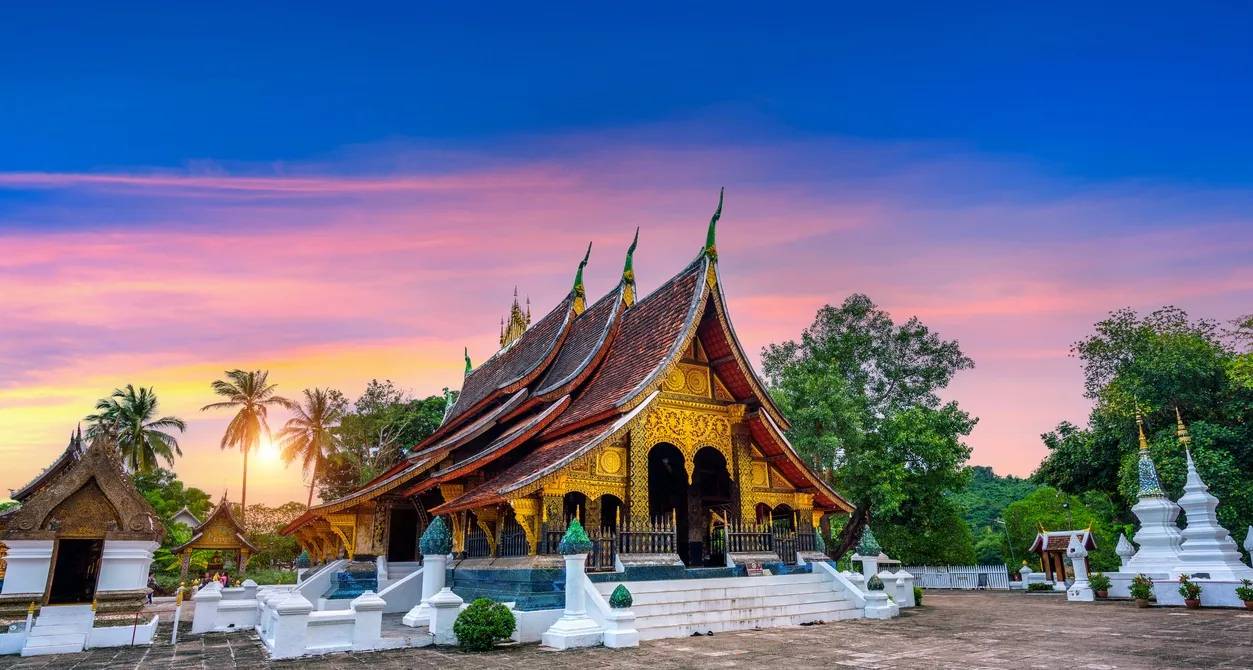
Essential Laos cultural do's, don'ts, temple rules, dress codes & customs. Complete travel guide 2025.
Understanding Laotian Culture
Laos is a deeply traditional Southeast Asian nation where Buddhist values and centuries-old customs shape daily life. As a visitor, understanding and respecting local etiquette isn't just polite, it's essential for meaningful cultural exchange and ensuring you don't inadvertently offend your hosts. This guide covers everything you need to know about cultural do's and don'ts in Laos, from temple etiquette to social interactions, helping you navigate this beautiful country with confidence and respect.
Respecting Religious Sites and Buddhist Customs
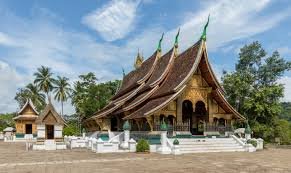
Buddhism is the foundation of Laotian society, and temples (wats) are sacred spaces that demand utmost respect. Understanding proper temple etiquette is crucial for any visitor to Laos.
Temple Dress Code
- Women: Cover shoulders completely (no tank tops or sleeveless shirts). Wear skirts or pants that reach at least to the knees. Avoid tight or revealing clothing.
- Men: Wear long pants or shorts that reach the knee. T-shirts are acceptable, but button-up shirts are preferred. Never wear tank tops.
- Everyone: Always remove shoes before entering temple buildings. This is non-negotiable and shows basic respect.
Interacting with Monks
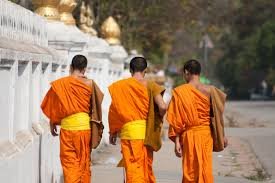
Monks hold a revered position in Laotian society, and specific rules govern interactions with them:
- Women must never touch monks or hand anything directly to them. If you need to give something to a monk, place it on a surface for him to pick up, or pass it through a male intermediary.
- Always bow slightly when greeting monks or passing by them.
- Sit lower than monks, never higher. Never point your feet toward a monk.
- Ask permission before photographing monks, and never disturb them during meditation or prayers.
Temple Behavior Guidelines
- Speak quietly and avoid loud conversations or laughter.
- Never touch, climb on, or turn your back to Buddha images.
- Never point your feet toward Buddha statues or religious artifacts.
- Making offerings is encouraged, light candles or incense, but remember to make a small monetary donation as well.
Social Interactions and Greetings
Laotian social customs emphasize respect, hierarchy, and maintaining harmony. Understanding these unspoken rules will help you connect more authentically with locals.
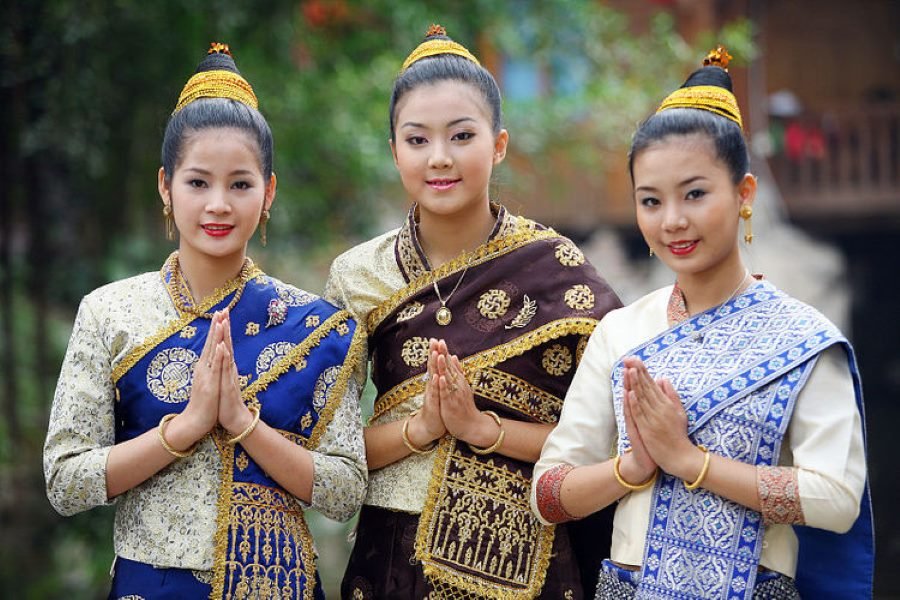
The 'Nop' Greeting
The traditional Laotian greeting is called the 'nop.' Press your palms together in a prayer-like gesture at chest level and bow your head slightly. The higher the hands (never above nose level), the greater the respect shown. This gesture is used not just for greetings, but also for expressing thanks, regret, or farewell.
Important: The person of lower social status typically initiates the nop. People of very high status, such as monks or elderly individuals, are not expected to return it.
The Head and Feet Taboo
In Laotian culture, the head is considered the most sacred part of the body (the seat of the soul), while feet are the lowest and least clean:
- Never touch someone's head, even as a friendly gesture. This includes children.
- Never point your feet at people, Buddha images, or religious objects.
- Don't step over people or their belongings.
- Never put your feet on furniture or use them to point at something.
- Don't show the bottoms of your feet to anyone.
Physical Contact and Personal Space
- Public displays of affection are frowned upon, especially between couples.
- Handshakes are becoming more common in business contexts, but the nop is still preferred.
- Maintain respectful personal space, especially with elders and monks.
Photography Etiquette
While Laos offers stunning photo opportunities, respecting people's privacy and sacred spaces is paramount.
DO:
- Always ask permission before photographing people, especially in rural areas and hill tribe villages.
- Ask monks if you may take their photo, many will agree, but some prefer not to be photographed.
- Feel free to photograph temples, stupas, and landscapes.
DON'T:
- Never photograph monks during meditation or prayer, this is extremely disrespectful.
- Don't take photos inside some temple buildings without permission.
- Avoid photographing military installations or government buildings.
- Don't treat ethnic minority people like zoo animals, they deserve dignity and respect.
Dining Etiquette and Food Customs
Sharing food is central to Laotian culture, and understanding dining customs will enhance your culinary experiences.
Sticky Rice Etiquette
Sticky rice (khao niao) is the staple food in Laos and has its own set of customs:
- Use your right hand (never the left) to take a small portion and roll it into a ball.
- Sticky rice is served in a lidded basket, always replace the lid when you're done eating. It's considered bad luck not to.
- Use the rice ball to scoop up other dishes; don't eat it plain.
General Dining Rules
- Always wash your hands before eating, as food is often eaten with hands.
- For regular rice, use a spoon in your right hand and fork in your left (fork pushes food onto spoon).
- Chopsticks are only used for noodle dishes and soups.
- Leave a little food on your plate when finished, a completely clean plate suggests you're still hungry and your host didn't provide enough food.
- Meals are communal, dishes are shared, and it's polite to offer food to others before serving yourself.
Common Mistakes and Cultural Faux Pas
Even well-intentioned travelers can make cultural missteps. Here are the most common mistakes to avoid:
- Raising your voice or showing anger: Laotians value calm and maintaining face. Public displays of anger are deeply embarrassing and counterproductive.
- Dressing inappropriately: While beach areas are more relaxed, revealing clothing in towns and villages is disrespectful.
- Criticizing Buddhism or the government: Both are off-limits topics. Criticism of Buddhism is deeply offensive, and political criticism can have legal consequences.
- Using the left hand: The left hand is considered unclean. Always eat, give, and receive with your right hand.
- Expecting Western efficiency: Laos operates on 'Lao time.' Patience and flexibility are essential.
- Not bargaining respectfully: While bargaining is expected in markets, do it with a smile and don't be aggressive about price.
Important Legal Considerations
Understanding Laos's laws is crucial for a safe and trouble-free visit.
Drug Laws (Zero Tolerance)
Laos has extremely strict drug laws. Possession, trafficking, or manufacturing drugs can result in lengthy prison sentences or even the death penalty. Some restaurants offer 'happy' or 'special' menu items containing opiates, consuming these is illegal and dangerous. In late 2024, several tourists died from methanol poisoning in Vang Vieng. Be extremely cautious about consuming unregulated substances.
Visa Requirements (2025)
- As of January 2025, most tourists need a visa. Tourist visas are available on arrival at major airports and border crossings for $42 USD (bring a passport photo).
- E-visas can be obtained online at least 5 days before arrival.
- Standard tourist visas are valid for 30 days and can be extended twice for 60 additional days total.
- Ensure you receive an entry stamp, failure to do so can result in serious fines, detention, and deportation.
Other Legal Matters
- Driving: You must have an International Driving Permit (IDP) in addition to your national license to legally drive in Laos.
- Currency: The Lao Kip (LAK) cannot be purchased or exchanged outside Laos. Use official exchange outlets only.
- Unexploded Ordnance (UXO): Large areas of Laos, especially in Xieng Khouang and along the Ho Chi Minh Trail, contain UXO. Stick to marked paths and never touch suspicious objects.
Final Tips for Respectful Travel in Laos
Visiting Laos is an incredibly rewarding experience, especially when approached with cultural sensitivity and respect. Remember that you're a guest in a deeply traditional Buddhist society where customs have been followed for centuries.
The Laotian people are known for their warmth and hospitality. By following these guidelines, you'll not only avoid uncomfortable situations but also open doors to genuine connections and deeper cultural understanding. When in doubt, observe how locals behave and follow their lead. A smile, a respectful nop, and a genuine interest in learning about Laotian culture will take you far.
Remember: The goal isn't perfection, even well-meaning travelers make mistakes. What matters is showing respect, being willing to learn, and approaching cultural differences with humility and curiosity. Laotians are forgiving of honest mistakes from visitors who clearly respect their culture.
Ready to explore Laos with cultural confidence? Whether you're visiting ancient temples in Luang Prabang, adventuring through the karst mountains of Vang Vieng, or cruising the Mekong River, these etiquette guidelines will help you travel responsibly and respectfully. Safe travels!