Is Laos Safe? Complete Safety Guide for Travelers 2025
· Terra Lao Adventure
Complete Laos safety guide 2025. Health risks, common scams, transportation safety, UXO awareness, emergency contacts. Travel confidently with expert advice.
Introduction
Laos is generally a safe destination for travelers, but like any country, it comes with specific risks you should understand before you go. Most visitors have completely trouble-free trips, experiencing nothing more serious than occasional minor inconveniences. However, being aware of potential dangers and knowing how to prevent problems makes the difference between a carefree adventure and a stressful situation.
This guide provides honest, balanced information about safety in Laos. We won't sugarcoat real risks, but we also won't exaggerate dangers. You'll learn about health concerns, common scams, transportation safety, and emergency procedures. With the right knowledge and basic precautions, you can explore Laos confidently and safely.
Overall Safety Assessment
The Reality
Laos is safer than many Southeast Asian countries when it comes to violent crime. The local Lao people are generally friendly, helpful, and honest. Serious violent crime against tourists is rare. The U.S. State Department advises travelers to exercise increased caution, while the Australian government recommends normal safety precautions, the same level applied to many popular tourist destinations.
Main Risks to Be Aware Of
- Road accidents (the leading cause of death for foreign visitors)
- Petty theft and bag snatching in tourist areas
- Health issues including food and waterborne illnesses, dengue, and malaria
- Unexploded ordnance in rural areas near former conflict zones
The Good News
Violent crime against tourists remains uncommon. Local people are genuinely friendly and helpful to visitors. Tourist police are present in major cities and speak basic English. Embassy support is available if you encounter serious problems. The vast majority of visits to Laos are completely trouble-free.
Drink Spiking
Drink spiking is common throughout Laos. Travelers have been assaulted after accepting spiked food or drinks from strangers. Some have died from drug-related incidents.
Prevention:
- Never leave drinks unattended
- Never accept drinks or food from strangers
- Watch your drink being prepared
- Stay with trusted friends when drinking
- Trust your instincts if something feels wrong
Mosquito-Borne Diseases
Dengue fever and malaria are present in Laos. Dengue has no vaccine and cases increase during the rainy season. Malaria prophylaxis is recommended if you're traveling to rural areas.
Prevention:
- Use DEET-based insect repellent
- Wear long sleeves and pants, especially at dawn and dusk
- Sleep under mosquito nets
- Consider malaria prophylaxis for rural travel
- Stay in accommodations with screens or air conditioning
Food and Water Safety
Tap water is not safe to drink in Laos, even for brushing teeth. Waterborne illnesses are common.
- Drink only bottled or filtered water
- Avoid ice in rural areas
- Street food is generally safe if freshly cooked and hot
- Wash hands frequently
- Peel fruits yourself when possible
Medical Care in Laos
Healthcare in Laos is limited, especially outside Vientiane and Luang Prabang. For serious medical issues, you may need to evacuate to Thailand. Vientiane has decent international clinics, but rural areas have very limited facilities. Travel insurance with medical evacuation coverage is essential.
Transportation Safety
Road Safety: The Biggest Risk
Road accidents are the number one killer of foreign visitors to Laos. Poor road conditions, poorly maintained vehicles, unlicensed drivers, animals on roads, and lack of street lighting all contribute to the danger. Motor vehicle crashes kill more healthy U.S. citizens in foreign countries than any other cause.
If You're Driving Yourself:
- Get an International Driving Permit before arrival
- Always wear a helmet on motorcycles (it's the law)
- Never drive at night
- Avoid driving in rain (roads become extremely slippery)
- Watch constantly for potholes, animals, and obstacles
- Carry basic first aid supplies
- Have emergency contact information accessible
Buses
VIP buses are generally safer than budget options. Avoid the cheapest buses as they're often poorly maintained. Overnight buses carry higher risk. Seatbelts are frequently broken or missing. Choose daytime travel when possible.
Boats
Speedboats on the Mekong are dangerous, with accidents occurring regularly. Slow boats are safer but often lack proper safety equipment. Life jackets are frequently unavailable. Check weather conditions before river trips. Never travel on the Mekong after dark, as in some areas the military has been known to shoot at boats.
Unexploded Ordnance (UXO)
Laos is the most bombed country per capita in history. An estimated 80 million unexploded bombs remain from the Vietnam War era, mostly in rural and border areas.
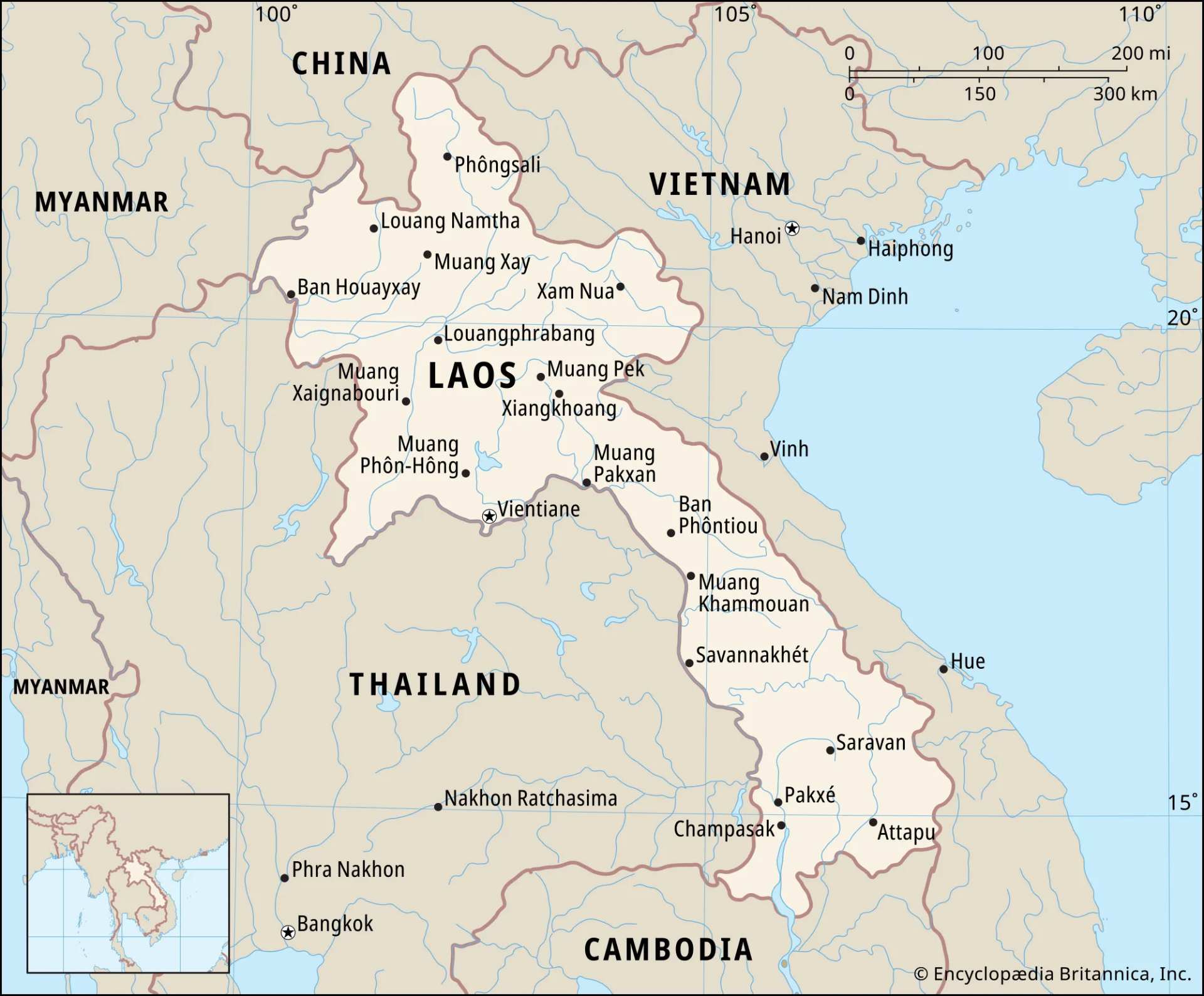
High-Risk Provinces: Xieng Khouang (Plain of Jars area), Savannakhet, Saravan, Khammouane, Sekong, Champassak, and along Routes 7, 9, and 20.
Critical Safety Rules:
- Never touch unknown metal objects
- Stay on well-used roads and paths
- Don't explore remote areas without a guide
- Heed all warning signs and markers
- Ask locals about safe areas before trekking
- Never disturb soil in rural areas
- Stick to cleared paths when hiking
The risk is real but manageable with proper caution. MAG (Mines Advisory Group) does excellent clearance work and offers education about UXO risks.
Areas to Avoid
Border Areas
Increased military presence in Bokeo Province near the Thai border follows clashes between the Lao army and armed groups. Expect extra checkpoints and possible delays.
General Advice
Check current travel advisories before your trip. Register with your embassy through programs like STEP (Smart Traveler Enrollment Program for U.S. citizens). Keep embassy contact information readily available.
Travel Insurance
Comprehensive travel insurance is essential for Laos. Medical costs can be very high, and you'll be required to pay upfront for treatment. Medical evacuation to Thailand is expensive but may be necessary for serious conditions.
Essential Coverage:
- Medical expenses (minimum $100,000 coverage)
- Medical evacuation and repatriation
- Motorcycle and scooter riding (many policies exclude this)
- Adventure activities like trekking and kayaking
- Trip cancellation and delays
- Lost or stolen belongings
Read policy exclusions carefully. Many standard travel insurance policies exclude motorcycle riding, so get specific coverage if you plan to ride. Carry insurance documents with you and know how to file claims.
Emergency Contacts
Emergency Numbers in Laos:
- Police: 191
- Fire: 195
- Ambulance: 195 or 1195
- Tourist Police (Vientiane): 1301
Note: English may not be spoken and response times can be slow outside major cities.
Embassy Contacts:
- U.S. Embassy Vientiane: +856-21-487-000
- U.K. Embassy Vientiane: +856-21-267-000
- Australian Embassy Vientiane: +856-21-353-800
- Canadian Honorary Consul: +856-21-453-934
Medical Facilities:
- Mahosot Hospital (Vientiane): +856-21-214-018
- Alliance Internationale Medical Center (Vientiane): +856-20-5551-4803
For serious medical issues, evacuation to Thailand is often recommended.
Stay Safe and Enjoy Laos
Laos is generally safe when you take appropriate precautions. The vast majority of visits are completely trouble-free. Awareness is the key to prevention. Don't be paranoid, but do be prepared.
Essential Safety Checklist:
- Comprehensive travel insurance with medical evacuation
- All recommended vaccines up to date
- International Driving Permit if planning to drive
- Register with your embassy
- Emergency contacts saved in phone
- Copies of important documents (passport, insurance, visa)
- Know your personal limits and risk tolerance
Smart Traveler Habits:
- Trust your instincts
- Stay alert but don't be anxious
- Learn from locals
- Share your itinerary with someone back home
- Check in regularly with family or friends
- Be flexible if conditions change
How We Can Help
Our experienced team provides comprehensive safety briefings before tours, 24/7 emergency support throughout your trip, local knowledge of safe areas and current conditions, assistance navigating language barriers, and connections to medical care if needed. We're here to help you travel safely and confidently throughout Laos.
Ready to explore Laos safely? Explore all our services including guided tours with experienced local guides, 24/7 emergency support, comprehensive safety briefings, and expert knowledge of safe travel throughout Laos. Contact us today and travel with confidence. Your safe Laos adventure starts here.