Lao People: Culture, Traditions & Legendary Hospitality Guide (2025)
· Terra Lao Adventure
Discover Laos' 50+ ethnic groups: Khmu, Hmong, Akha, Yao, Lanten. Unique traditions, festivals & legendary hospitality. Complete cultural travel guide.
Laos consistently ranks among the friendliest countries in the world, and once you meet the Lao people, you'll understand why. With their gentle nature, genuine warmth, and deep-rooted traditions of hospitality, the people of Laos create an atmosphere that transforms travelers into lifelong friends. This comprehensive guide explores the rich cultural tapestry of Lao people—from their Buddhist spirituality to their remarkable ethnic diversity.
Who Are the Lao People?
With a population of approximately 7.9 million in 2025, Laos is the most ethnically diverse country in mainland Southeast Asia. The Lao government officially recognizes 160 ethnic sub-groups within 50 distinct ethnic groups, speaking 73 different living languages. This incredible diversity creates a cultural mosaic unlike anywhere else in the region.
The Three Geographic Classifications
- Lao Loum (Lowland Lao) – About 60% of the population, living along river valleys. Includes ethnic Lao, Tai Dam, Tai Lue, and Phuan peoples.
- Lao Theung (Midland Lao) – Approximately 30% of the population, living on mountain slopes. Includes Khmu, the original inhabitants of northern Laos.
- Lao Soung (Highland Lao) – About 10% living in mountainous regions. Includes Hmong, Akha, Yao (Mien), Lanten, Lahu, and Oma peoples.
The Major Ethnic Groups of Laos
The Khmu: Original Inhabitants of Northern Laos
The Khmu are the largest ethnic minority in Laos with over 500,000 people, and they were the original inhabitants of northern Laos before the Lao-Tai peoples arrived. They live across eleven provinces in the north and are considered the indigenous people of the region.
Unique traditions: Khmu culture is passed down through evening storytelling around fires. Their clan system is fascinating—each clan is named after a bird, mammal, or vegetable, and members cannot kill or eat their clan's namesake. Khmu artisans are renowned for weaving incredibly tight, durable baskets using split bamboo and coiled rattan.
Spiritual beliefs: The Khmu believe in spirits of the house (hrooy gang), water spirits (hom), and forest spirits (hrooyprri). Every village has a spiritual master to communicate with and protect against malevolent spirits. Annual festivals honor village spirits and ancestors while praying for bountiful harvests.
The Hmong: Highland Warriors and Master Craftspeople
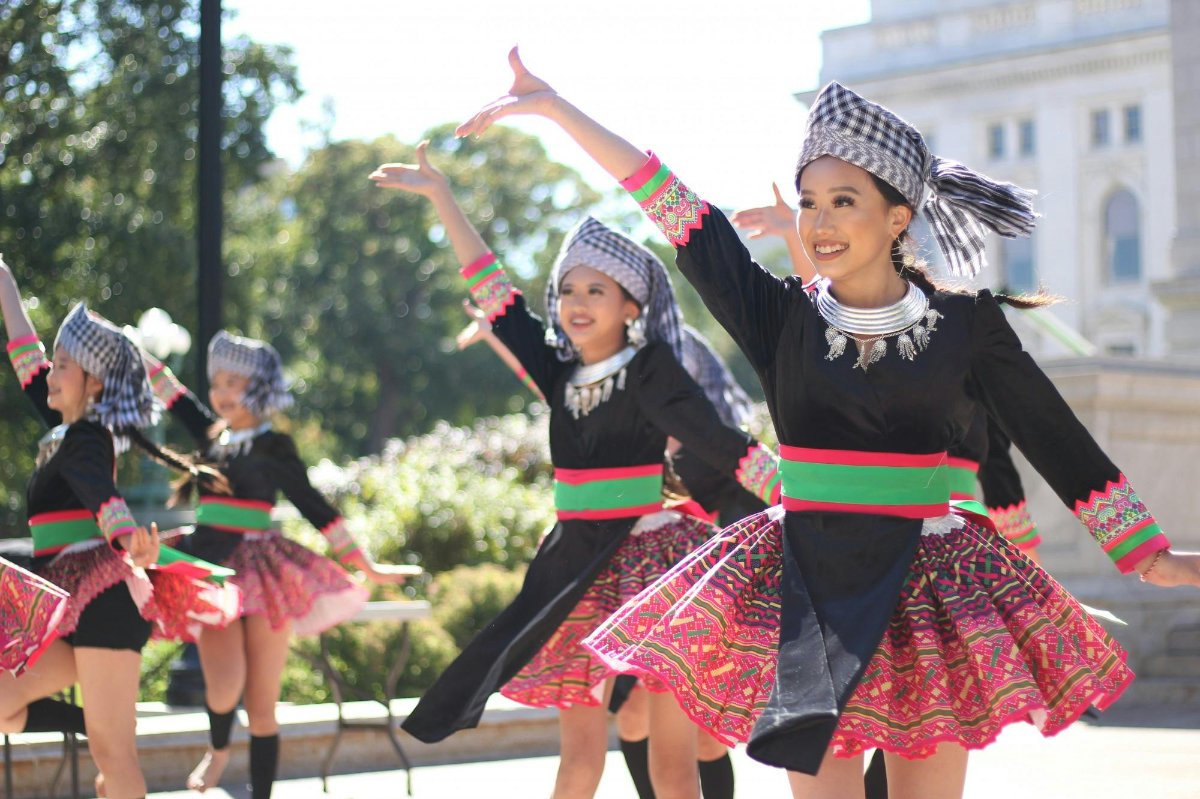
The Hmong are the third largest ethnic group in Laos, with a 4,000-year history originating in China. They migrated to Laos in the early 19th century, fleeing persecution by the Han Chinese. There are three Hmong subgroups distinguished by their traditional clothing: Hmong Dao (White), Hmong Du (Blue), and Hmong Djua (Striped).
Village life: Traditional Hmong villages sit on mountain ridges and are characterized by wooden homes, colorful clothing, and intricate hand-woven textiles. Their society is organized through patrilineal clans with surnames like Li, Wang, and Yang—and strict rules require marrying outside one's clan.
Hmong New Year (Bun Kin Chiang): Celebrated in December or January, this is the most important Hmong festival. Besides celebrating the harvest, it's a major social event where young people from different villages meet potential future spouses. Traditional ball-tossing games between young men and women are a courtship ritual. Check our best time to visit Laos guide to plan your trip around this spectacular festival.
The Akha: Keepers of Ancient Poetry
The Akha migrated from China within the last 200 years and inhabit the far north, primarily Phongsaly and Luang Namtha provinces. They're known for their remarkable knowledge of the forest and rotational agriculture.
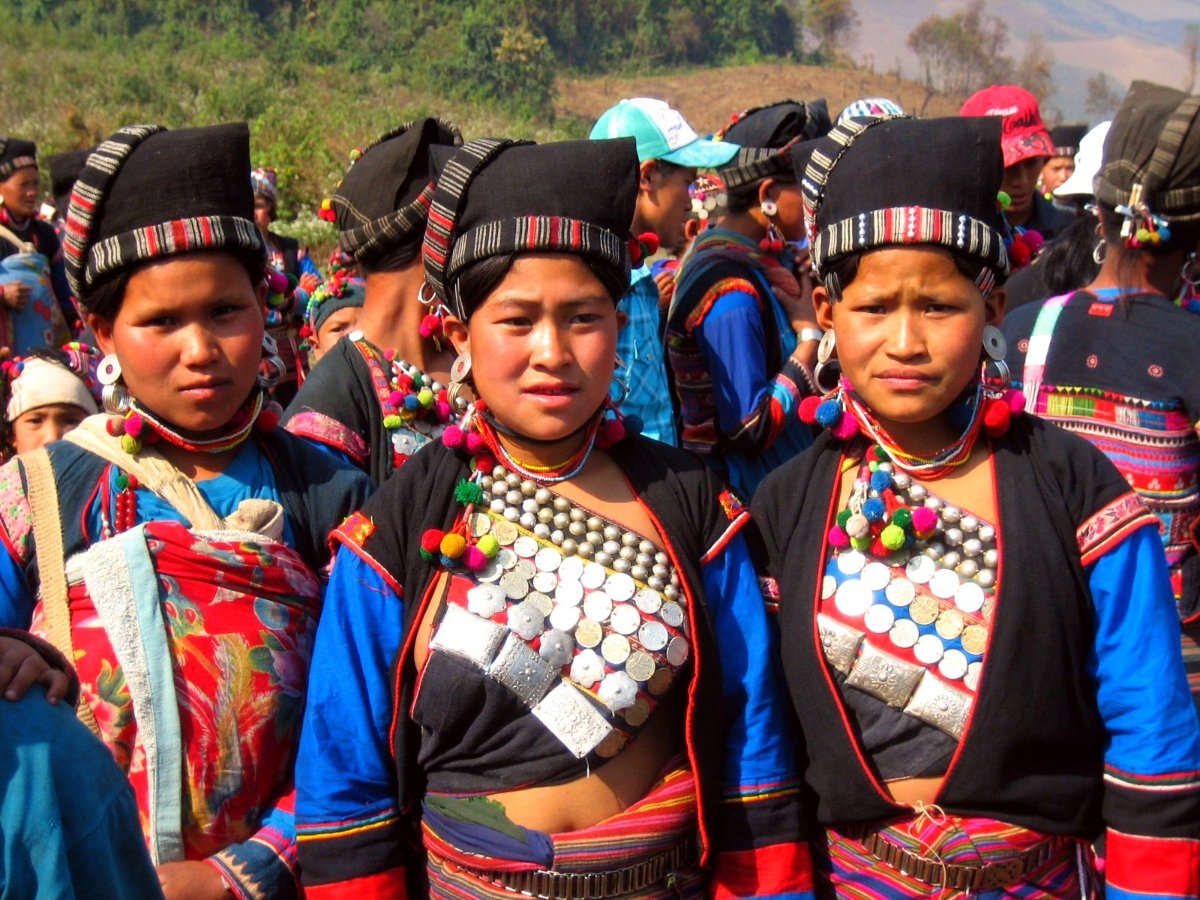
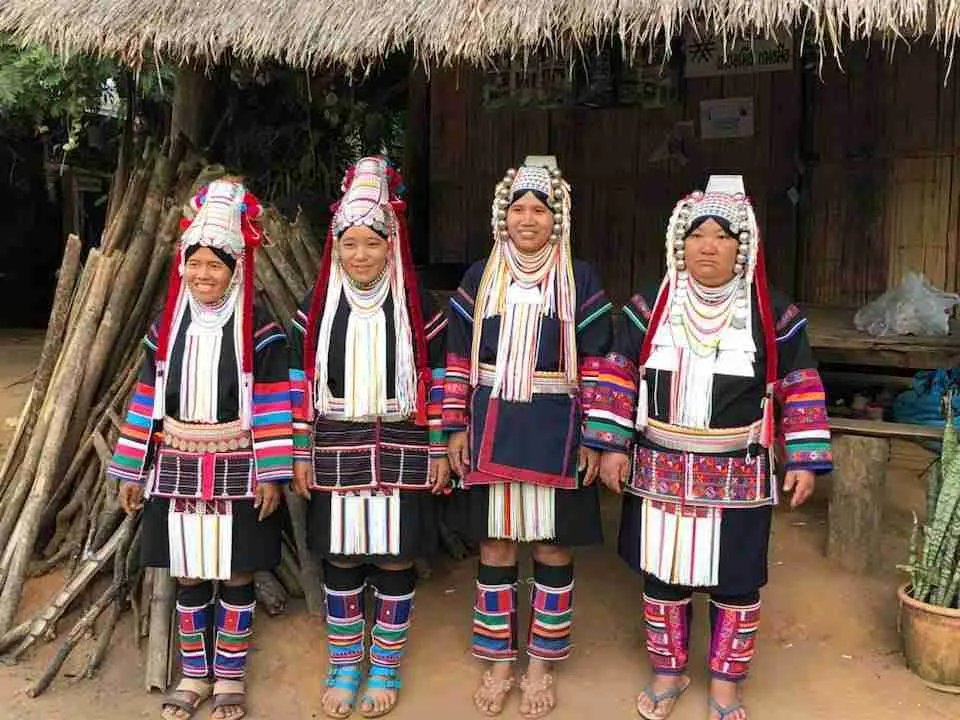
Distinctive appearance: Akha women are famous for their elaborate silver headdresses—Akha Djepia wear cone-shaped headdresses, while Akha Pouly wear rounded ones with flat discs at the back. They also wear indigo-dyed cotton clothing decorated with embroidery, appliqué, and beads.
Rich oral tradition: Akha history is preserved in over 10,000 poems passed down orally by storytellers called pimas. Their villages feature towering swings and distinctive spirit gates with male and female wooden figures marking the boundary between the village and the outside world.
Akha Swing Festival: Held in late August (120 days after rice planting), this is known as the "Women's New Year." Women dress in their finest ornate clothing they've spent the year creating, performing traditional dances and songs.
The Yao (Mien): Taoist Masters of Embroidery
The Yao Mien have roots in China's Hunan province and migrated to Laos starting in the 15th century. Unlike most groups in Laos, they practice Taoism, a philosophy they brought from China.
Unique religious practice: Traditionally, all Yao men must be ordained as Taoist priests to be recognized by ancestral spirits. They have a unique shamanistic tradition involving deep knowledge of traditional herbal medicine passed down through generations.
Master craftspeople: Yao women are distinguished masters of dyeing, embroidery, and sewing distinctive costumes, while men are prominent blacksmiths and silversmiths.
The Lanten: Masters of Indigo Dye
The Lanten, also known as Lao Houay ("those who live near streams"), are part of the Hmong-Mien family. Their name comes from the Chinese word for "those who make dye"—and indeed, they're famous for their deep indigo-dyed clothing.
Distinctive crafts: Lanten produce first-class cotton cloth, bamboo paper (made using ancient techniques), and wooden ceremonial masks. Their writings use ancient Chinese characters on bamboo paper. Lanten women are recognizable by their shaved eyebrows and far-back hairlines.
The Tai Peoples: Dam, Lue, and Phuan
Several Tai subgroups live in Laos, categorized by their traditional costumes:
- Tai Dam (Black Tai) – The largest Tai minority, named for their black clothing. They traditionally had a caste system with nobility, commoners, and priests.
- Tai Lue – Devoutly Buddhist, with temples at the heart of village life. Tai Lue women are renowned for handwoven cotton and silk textiles.
- Phuan – Over 100,000 in Laos, claiming descent from the original Tai migrants. Notable for harmonious gender relations—both men and women share all types of work.
The Oma and Lahu: Remote Mountain Communities
In the most remote areas of Luang Namtha Province live the Oma and Lahu peoples. These small, isolated communities speak Tibeto-Burman languages and maintain traditions rarely witnessed by outsiders. Visiting these communities through responsible tourism helps support their economic development while preserving their unique cultures.
The Legendary Lao Hospitality
In a survey by London-based Rough Guides, Laos ranked third among the world's friendliest countries. This reputation is well-earned—Lao people are renowned for their genuine warmth and generous spirit.
Visitors to Laos, whether in bustling cities or remote villages, are often offered food, drink, and a place to rest—even by complete strangers. Sharing and generosity are seen as reflections of one's character and family honor. This isn't tourism hospitality; it's an authentic cultural value passed down through generations. To fully appreciate these interactions, consider learning some basic Lao phrases—locals truly appreciate the effort.
"Even in very rural areas where people live simple lives, strangers are always welcome and offered a meal. Being warm, modest, and respectful is the Lao way."
Buddhism: The Spiritual Heart of Laos
Approximately 66% of Lao people practice Theravada Buddhism, which profoundly shapes daily life, festivals, and social customs. Unlike in some countries where religion feels separate from daily existence, in Laos, Buddhism is woven into every aspect of life.
Tak Bat: The Daily Almsgiving Ceremony
Every morning around 5:30 AM, saffron-robed monks walk through streets with alms bowls, receiving offerings of sticky rice and food from local people. This tradition dates back to the 14th century and represents one of the most beautiful daily rituals in Southeast Asia.
The Baci Ceremony: Calling the Soul
The Baci ceremony is perhaps the most significant Lao custom. This spiritual ritual involves tying white cotton threads around a person's wrists while offering blessings. The ceremony "calls the soul" back to the body and secures the 32 spirits believed to protect different parts of a person. Baci ceremonies mark births, weddings, housewarmings, departures, and welcoming guests.
Spirit Worship (Satsana Phi)
Buddhism in Laos blends with traditional animist beliefs. Lao people believe that spirits (phi) inhabit buildings, natural places, and phenomena. This unique combination creates a rich spiritual landscape that influences everything from architecture to agriculture.
Daily Life and Lifestyle
Community and Family
Lao people prefer living in close-knit communities with strong connections between neighbors. Family is paramount—multiple generations often live together, with elderly members especially respected. It's said that Laotians never eat alone; families gather around meals, sharing food, making sticky rice balls, singing, and enjoying each other's company.
Sticky Rice: More Than Just Food
Lao people consume approximately 170 kilograms (375 pounds) of sticky rice per person annually—the highest consumption rate in the world. But sticky rice (khao niew) is far more than nutrition; it's central to Lao identity. Eating sticky rice together, rolling it into balls, dipping it in shared sauces—this is how bonds are strengthened and community celebrated. Discover more about authentic Lao cuisine in our complete food guide, or learn to cook Lao dishes yourself with a local cooking class in Vang Vieng.
Traditional Customs and Etiquette
Understanding local customs will help you connect more deeply with Lao people. For a complete guide to cultural etiquette, read our essential do's and don'ts in Laos.
The Nop Greeting
Lao people greet each other with the "nop"—hands pressed together in a prayer-like position, accompanied by a slight bow. The height of the hands indicates the level of respect: higher for elders or monks, lower for peers. Learn how to say "sabaidee" and other essential Lao phrases to make your greetings even more meaningful.
Important Taboos
- Never touch someone's head – The head is considered sacred
- Don't point feet at people or Buddha images – Feet are considered the lowest part of the body
- Avoid public displays of affection – Physical affection between opposite sexes in public is not acceptable
- Remove shoes before entering homes and temples – This shows respect for sacred spaces
Traditional Dress Across Ethnic Groups
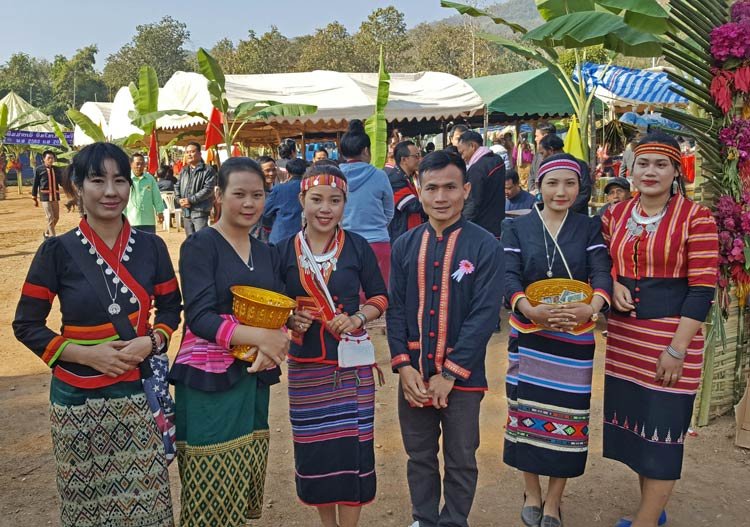
Each ethnic group has distinctive traditional clothing:
- Lowland Lao – Women wear the sinh (tube skirt) with intricate woven patterns; men wear salong (loose pants)
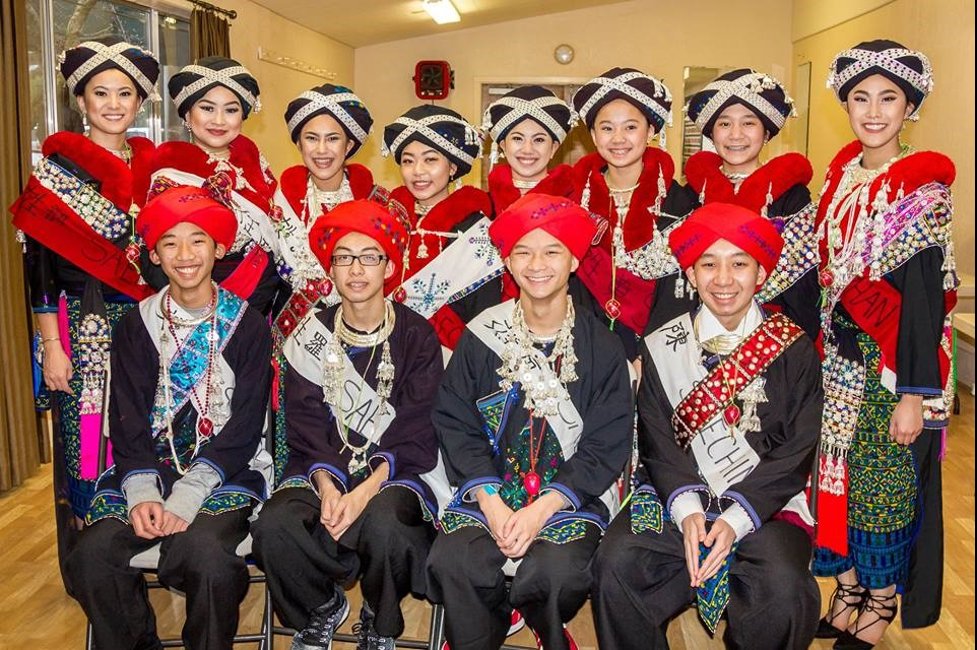
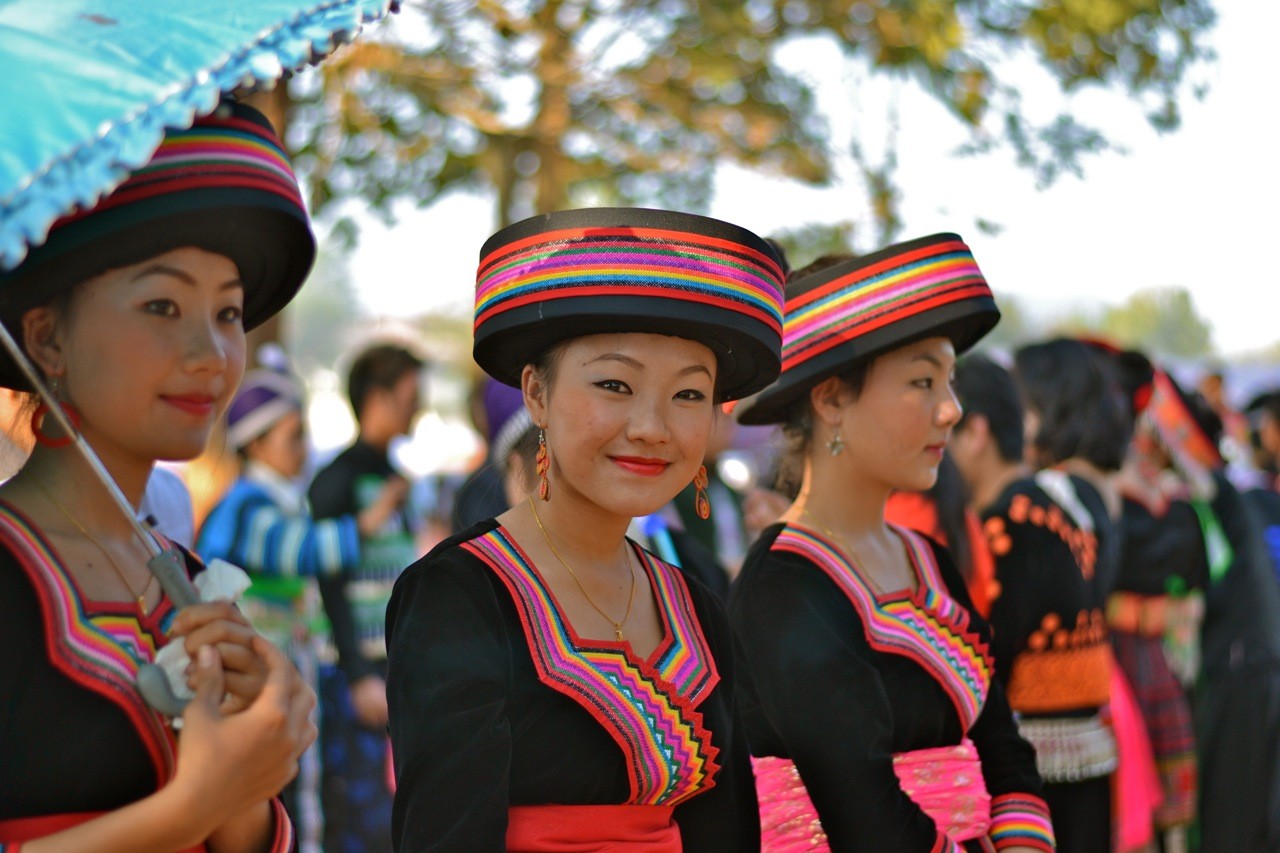
- Hmong – Colorful clothing with elaborate embroidery, silver jewelry, and distinctive headdresses varying by subgroup
- Akha – Indigo-dyed clothing with silver headdresses, beads, and elaborate embroidery
- Lanten – Dark indigo-dyed tunics with pink silk yarn accents
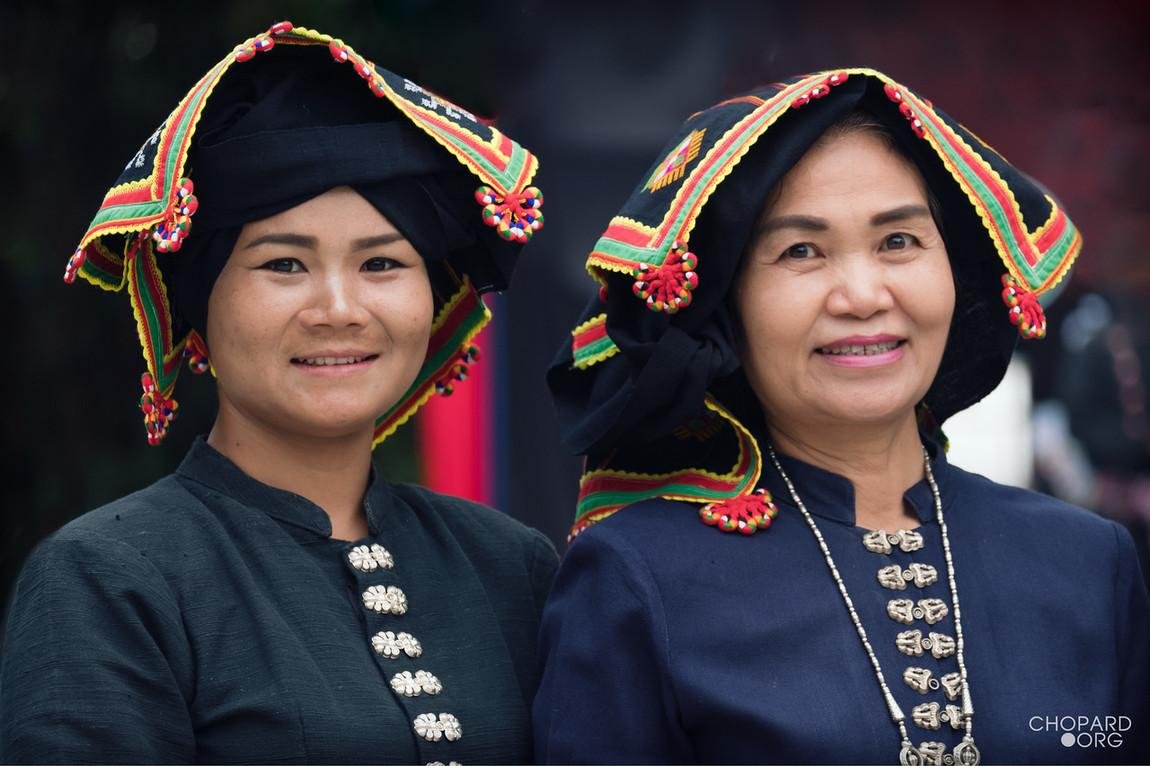
- Tai Dam – Distinctive black clothing that gives the group its name
Major Festivals
Laos has a rich calendar of festivals tied to Buddhist traditions and ethnic celebrations. Check our complete season guide to plan your visit around these events.
Pi Mai Lao (Lao New Year)
Celebrated in mid-April, Pi Mai Lao features water splashing (symbolizing purification), bathing Buddha statues, and three days of celebration with family and community.
Hmong New Year (Bun Kin Chiang)
Celebrated in December/January, this festival brings Hmong from different villages together for traditional music, courtship rituals, and spectacular traditional dress displays.
Akha Swing Festival
Held in late August, this "Women's New Year" features women in their finest ornate clothing performing traditional dances and songs.
Where to Meet Different Ethnic Groups
- Luang Namtha Province – Akha, Oma, Lanten, and Khmu villages
- Phongsaly Province – Remote Akha communities and diverse highland groups
- Muang Sing – Beautiful hill tribe villages, multiple ethnic groups
- Vang Vieng area – Hmong and Khmu villages accessible by motorbike
- Luang Prabang – Hmong villages and diverse ethnic markets. The scenic motorcycle route from Vang Vieng to Luang Prabang passes through many traditional villages.
Tips for Visiting Ethnic Communities
For comprehensive travel advice, including safety information, see our Laos safety guide.
- Go with local guides – They understand cultural protocols and help communities benefit economically
- Ask permission before photographing – Some communities have spiritual beliefs about photos
- Respect spirit areas – Many villages have sacred areas tourists shouldn't enter
- Buy directly from artisans – Purchasing handicrafts supports traditional skills
- Dress modestly – Cover shoulders and knees out of respect
- Accept hospitality graciously – Refusing offers can be seen as impolite
Experience Lao Culture with Terra Lao Enduro
At Terra Lao Enduro, we don't just show you the landscapes—we connect you with the people who make Laos so special. Our tours include village visits, home-cooked meals with local families, and authentic cultural experiences that go far beyond typical tourism.
Whether you're riding through remote Hmong villages, sharing sticky rice with Khmu families, or witnessing the elaborate silver headdresses of the Akha, you'll discover why Laos' diverse peoples are considered among the warmest, most welcoming in the world.
Ready to experience legendary Lao hospitality firsthand? Explore our best motorcycle routes in Laos or check out top activities in Vang Vieng to start planning your cultural adventure.